
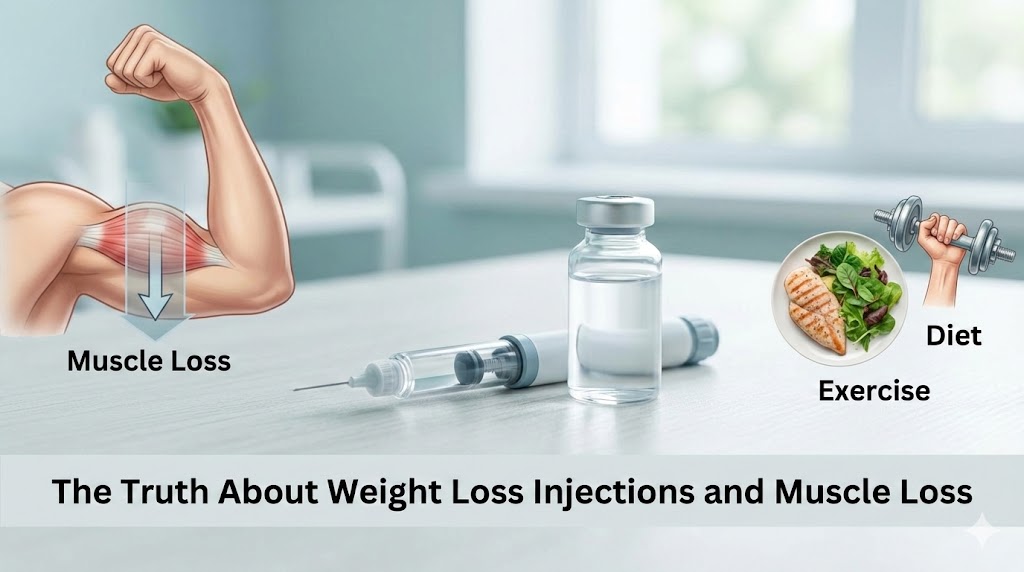
If you’re considering weight loss injections, it’s essential to understand their effects on your body. While they may help shed pounds, they can also lead to muscle loss, which is a significant concern for many. In this article, we’ll explore the truth behind weight loss injections, how they work, and what you can do to protect your muscle mass while pursuing your weight loss goals.
Understanding Weight Loss Injections
What Are Weight Loss Injections?
Weight loss injections are medical treatments designed to assist individuals in losing weight by suppressing appetite or increasing metabolism. Common types of these injections include peptide hormones like GLP-1 and others that work through various mechanisms in the body. They are typically administered by healthcare professionals and are often used in conjunction with lifestyle changes, including diet and exercise.
How Do They Work?
These injections work by influencing hormonal pathways related to appetite and metabolism. Some injections may help regulate insulin levels, while others might increase feelings of fullness, making it easier for you to consume fewer calories. However, it’s crucial to remember that while weight loss injections can be effective, they are not a standalone solution; a balanced approach is necessary for long-term success.
The Impact on Muscle Mass
Why Muscle Loss is a Concern
While weight loss injections can help you lose fat, they may also result in muscle loss, which is a significant concern for overall health and wellbeing. Muscle mass is essential for maintaining a healthy metabolism, strength, and physical functionality. Losing muscle can lead to a slower metabolism, making it more challenging to maintain weight loss in the long run. Additionally, reduced muscle mass can increase the risk of injuries and negatively affect your quality of life.
How to Minimize Muscle Loss
To minimize muscle loss while using weight loss injections, consider the following strategies:
- Engage in regular resistance training exercises.
- Ensure adequate protein intake—aim for at least 1.5 grams of protein per kilogram of body weight daily.
- Maintain a balanced diet that includes all essential nutrients.
By focusing on these areas, you can help preserve muscle mass and enhance the effectiveness of your weight loss efforts.
The Role of Diet in Weight Loss
Importance of a Balanced Diet
Your diet plays a crucial role in the effectiveness of weight loss injections. A balanced diet ensures you receive the necessary vitamins and minerals to support your body’s functions. Instead of severely restricting calories, aim for a diet that includes a variety of food groups, which can help you feel more satisfied and energized throughout the weight loss process. Incorporating fruits, vegetables, whole grains, and healthy fats will support both your weight loss efforts and overall health.
High Protein Intake Explained
Protein is a vital nutrient for muscle maintenance, especially when undergoing weight loss. High protein intake helps to preserve muscle mass and can also enhance feelings of fullness. When you’re on weight loss injections, ensure your diet includes ample protein sources, such as:
- Lean meats (chicken, turkey, fish)
- Dairy products (Greek yogurt, cheese)
- Legumes (beans, lentils)
- Nuts and seeds
By prioritizing protein, you’ll be better equipped to maintain your muscle mass during your weight loss journey.
Exercise: Key to Muscle Maintenance
Resistance Training Explained
Resistance training is a form of exercise that involves working against a force to build muscle strength and endurance. This type of training is crucial for anyone looking to maintain or increase muscle mass, especially when using weight loss injections. Resistance exercises include lifting weights, using resistance bands, or performing body-weight exercises such as squats and push-ups. Regularly incorporating resistance training into your routine can significantly mitigate muscle loss during weight loss.
Recommended Exercises During Injection Period
While on weight loss injections, focus on these recommended exercises to help maintain muscle mass:
- Squats: Great for building leg and core strength.
- Deadlifts: Target multiple muscle groups, including the back and legs.
- Bench Press: Effective for building upper body strength.
- Pull-Ups: Excellent for upper body and back development.
Integrating these exercises into your weekly routine will help support your muscle maintenance while losing weight.
Duration of Use: How Long Should You Take Them?
Recommended Timeframe for Injections
When considering weight loss injections, it is advisable to limit their use to a maximum of three to six months. This timeframe allows you to achieve your weight loss goals while minimizing potential side effects, including muscle loss. During this period, it is crucial to maintain a healthy lifestyle, including a balanced diet and regular exercise.
Signs It’s Time to Stop
It’s essential to listen to your body. If you notice signs such as excessive fatigue, persistent muscle soreness, or a decline in your overall health, it may be time to reevaluate your use of weight loss injections. Consulting with a healthcare professional can provide guidance on whether to continue or stop the treatment.
Conclusion: Making Informed Choices
Weighing the Benefits and Risks
Weight loss injections can be an effective tool for shedding pounds, but they come with risks, particularly regarding muscle loss. It’s vital to weigh the benefits against potential drawbacks and to take a comprehensive approach that includes diet, exercise, and lifestyle changes. By doing so, you can achieve sustainable weight loss without compromising your muscle mass.
Consulting with Healthcare Professionals
Before starting any weight loss injections, it’s essential to consult with healthcare professionals, such as those at ZEN Healthcare London. Located in the heart of London, ZEN Healthcare offers specialized services, including nutritional therapies and GP appointments, to support your weight loss journey. For more information, contact us at 004420 7225 1660 or email info@zenhealthcare.co.uk. Visit our website at zenhealthcare.co.uk to learn more about our clinic and services.
Take the first step towards informed weight loss by reaching out to us today!
TL;DR
- Weight loss injections can lead to muscle mass loss in addition to fat loss.
- It is advised to use weight loss injections for a maximum of three to six months.
- Continue resistance exercises like squats and back exercises to preserve muscle.
- A high-protein diet is crucial, recommending at least 1.5 grams of protein per kilogram of body weight daily.
- Maintain a balanced diet without restricting essential nutrients while on injections.
FAQ
What happens to muscle mass when using weight loss injections?
You may lose muscle mass along with fat when using weight loss injections.
How long should I take weight loss injections?
It is advised to take them for a maximum of three to six months.
Should I continue exercising while on weight loss injections?
Yes, it’s important to continue resistance exercises like squats and back exercises.
What role does diet play while using weight loss injections?
A balanced diet is crucial; avoid restricting nutrients and ensure high protein intake.
How much protein should I consume daily while on weight loss injections?
Aim for at least 1.5 grams of protein per kilogram of your body weight daily.

 Cryotherapy